
How to Know if You Have a Property Damage Case?
Dealing with unexpected damage to your home, vehicle, or personal belongings can be a stressful experience. When that damage is caused by someone else’s negligence or a covered natural disaster, you expect your insurance company to step up and make things right. Unfortunately, the path to a fair settlement is not always straightforward.
Many property owners find themselves fighting undervalued claims, delayed responses, or outright denials. This leaves them wondering how to know if you have a case worth pursuing in court. Understanding your legal rights and the anatomy of a valid claim can save you significant time, money, and frustration.
EC Law Counsel will walk you through the core components of a property damage case. You will learn how to evaluate liability, document your damages, and determine if pursuing legal action makes financial sense for your specific situation.
What evidence is needed for a property damage claim?
Evidence may include photographs, videos, repair estimates, inspection reports, witness statements, insurance communications, and records documenting the extent of the damage and resulting losses.
Understanding Property Damage Claims
Before taking legal action, it is essential to understand how the law defines property damage and what warrants court intervention.
What Constitutes a Property Damage Case?
A property damage case arises when your personal or real property is harmed due to another entity’s negligence, intentional actions, or a breach of contract (such as an insurance policy).
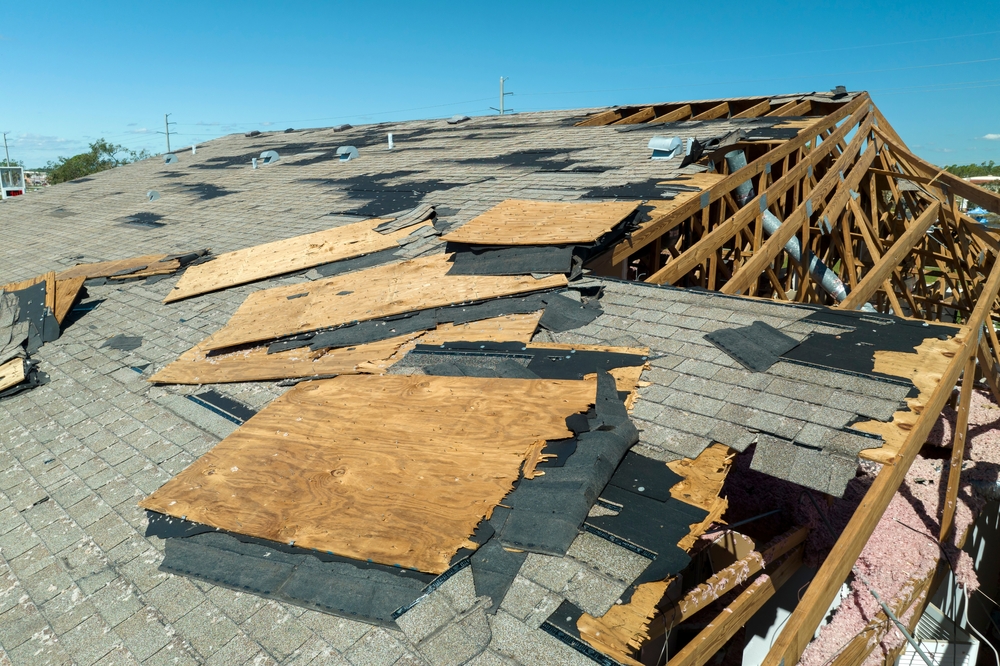
This can include a vehicle damaged in a collision, a home ruined by a burst pipe, or a roof destroyed by severe weather. To have a valid legal claim, the damage must result in a measurable financial loss.
When Is a Lawsuit Justified for Property Damage?
There is no minimum dollar threshold legally required to file a lawsuit after a wrongful insurance denial.
According to general insurance law principles, a lawsuit is justified whenever your claim is valid. Your specific damages are covered under your insurance policy, and the insurer has acted improperly. However, having the legal right to sue does not always mean it is the most practical step. The financial feasibility of the lawsuit plays a massive role in this decision.
Key Elements of a Strong Property Damage Case
If you are wondering how to know if you have a case, you must evaluate three foundational elements. Without these, your claim is unlikely to succeed.
Liability: Proving Fault
To win a property damage case, you must clearly establish who is at fault. If a third party caused the damage, you must prove their negligence directly resulted in your loss. If you are filing a first-party claim against your own insurance, you must prove that the cause of the damage is covered under your specific policy terms.
Identifiable Damages: Quantifying Your Loss
You cannot sue simply because an event occurred; you must have suffered a quantifiable monetary loss. This involves calculating the cost to repair or replace the damaged property, as well as any lost use of the property during the repair period.
Solid Evidence: Documenting Your Claim
Evidence is the backbone of any successful property damage case. You must meticulously document everything. This includes:
- Taking clear photographs and videos of the damage
- Obtaining independent repair estimates
- Collecting witness statements
- Keeping a written record of all communications with insurance adjusters
Navigating Insurance Denials and Bad Faith Claims
Insurance companies operate for profit, and their primary goal is often to minimize payouts. Knowing how to handle their tactics is crucial.
When Insurance Claims Go Wrong
Insurance claims typically go wrong when an adjuster misinterprets policy language, fails to conduct a thorough investigation, or significantly undervalues the cost of repairs. When your insurance provider refuses to pay a legitimate claim, you may have grounds for a lawsuit.
Bad Faith Insurance Practices
Insurers have a legal duty to act in good faith. An insurer acts in “bad faith” when they fail to adequately investigate a claim, unreasonably delay processing, or deny a claim without a valid reason. If you can prove bad faith, you may be entitled to damages far beyond the initial repair costs.
Financial Feasibility of a Property Damage Lawsuit
Even if you have a strong property damage case, you must consider the economics of litigation.
Weighing the Costs and Potential Recovery
Litigation can be costly and time-consuming. The financial feasibility of a lawsuit depends heavily on the difference between your out-of-pocket loss and the cost of legal representation. You must weigh the potential payout against the attorney fees and court costs.
Deductibles, Coverage Limits, and Net Claims
Your potential payout must justify the legal fees. Most property insurance policies have set deductibles and coverage limits.
For example, if your property sustains $2,000 in damages, but your deductible is $1,000, your net claim is only $1,000. This amount is likely too low to pursue in court effectively.
Recoverable Damages Beyond the Claim Amount
If you sue and successfully prove an insurance company acted in bad faith, you can potentially recover more than the original claim amount. Courts may award additional attorney’s fees, compensation for emotional distress caused by severe delays, and sometimes punitive damages meant to punish the insurer for malicious conduct.
Alternative Resolutions Before Filing a Lawsuit
Filing a lawsuit is usually viewed as a last resort. There are often other avenues to explore first.
Complaints with Regulatory Bodies
Before suing, you can usually file a formal complaint with your state’s regulatory agency. For instance, residents dealing with insurance issues can file complaints with bodies like the Department of Banking and Insurance, which regulates insurers and may force an overturned denial without the cost of hiring a lawyer.
Seeking Legal Assistance From EC Law Counsel
Evaluating liability, damages, and insurance policies is a complex process. Navigating these waters alone can result in costly mistakes.
EC Law Counsel understands the tactics insurance companies use to deny or underpay valid claims. By partnering with experienced legal professionals, you ensure your policy is interpreted correctly and your rights are aggressively protected.
An attorney will accurately assess your damages, negotiate with adjusters on your behalf, and determine if filing a bad faith lawsuit is your best financial option.
Frequently Asked Questions (FAQ)
How much does it cost to hire a lawyer for a property damage case?
Many property damage attorneys work on a contingency fee basis. This means you do not pay upfront legal fees; instead, the attorney takes a percentage of the final settlement or court award.
How long do I have to file a property damage lawsuit?
Every state has a statute of limitations that strictly dictates how long you have to file a lawsuit. In Florida, for example, the time limit for most property damage claims is generally two years from the date the damage occurred, but you should consult an attorney to confirm your specific deadline.
What should I do if my insurance company offers a settlement that is too low?
Do not sign any releases or cash the check if it says “final payment” without consulting a lawyer. You can reject the initial offer, provide additional independent repair estimates, and negotiate for a fairer amount.
Can I sue my insurance company for taking too long to process my claim?
Yes. Unreasonable delays can be classified as bad faith insurance practices. If an insurer intentionally drags out the process to force you into accepting a lowball offer, you may have grounds for a bad faith lawsuit.

Eunice Cabrera
Attorney Eunice Cabrera has a unique advantage when it comes to property damage claims. Because she has worked extensively on both ends as an adjuster and as a litigator, Eunice knows how to properly evaluate a claim and obtain a settlement. She understands the strategies that work to get her clients what they rightfully deserve.