
What Is a Storm Surge Warning? A Guide for Floridians
Quick answer: A storm surge warning means there’s danger of life-threatening flooding from rising ocean water moving inland, generally within 36 hours. It’s more urgent than a storm surge watch (issued within 48 hours) and should trigger immediate action — including following evacuation orders from local officials.
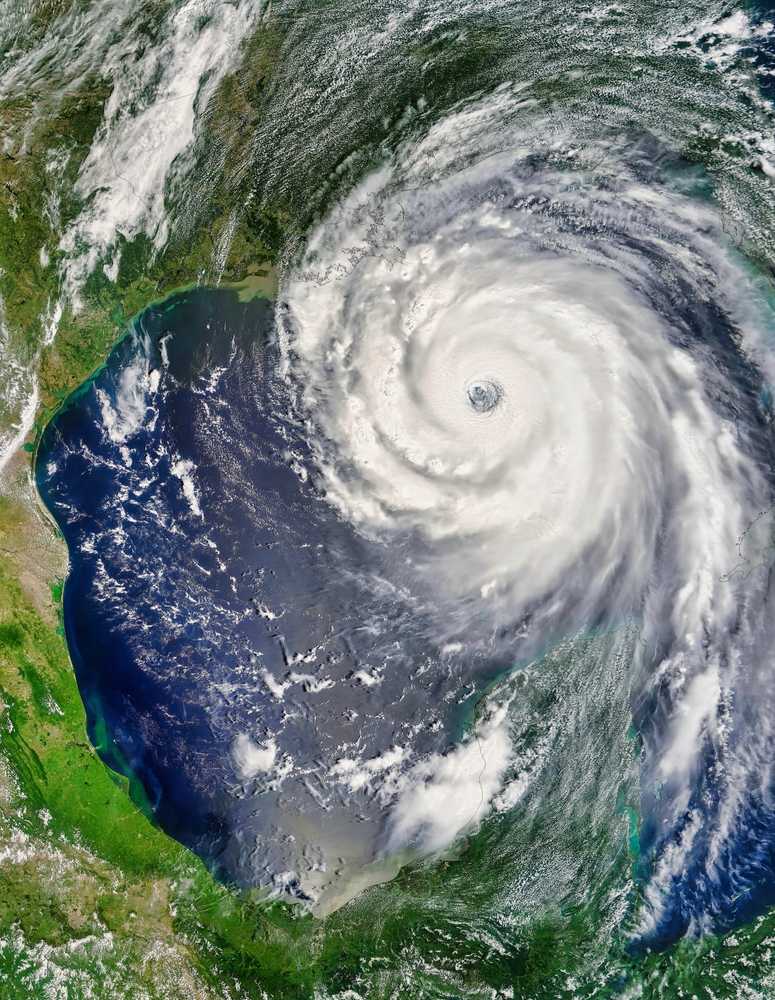
Storm surge is often the deadliest part of a hurricane. According to the National Hurricane Center, storm surge flooding has accounted for nearly half of the deaths tied to landfalling tropical cyclones over the past fifty years. For Florida residents, understanding what a storm surge warning means could save your life — and protect your property.
EC Law Counsel breaks down what a storm surge warning is, how it differs from a watch, and what steps you should take when one is issued.
What Is a Storm Surge Warning?
A storm surge warning signals the danger of life-threatening inundation from rising water moving inland from the shoreline, generally within 36 hours, in connection with a tropical, subtropical, or post-tropical cyclone (National Hurricane Center).
In simple terms: dangerous flooding from the ocean is expected soon, and you need to act.
The National Hurricane Center may issue a warning even earlier than 36 hours when conditions like the onset of tropical storm-force winds threaten to limit the time available to take protective actions, such as evacuations. A warning can also cover areas that may not flood directly but could be cut off by flooding in nearby zones.
To help people visualize the risk, the National Hurricane Center began issuing a storm surge watch/warning graphic in 2017 for tropical cyclones affecting the Gulf and Atlantic coasts. This graphic separates the surge threat from the wind-based watches and warnings, making it easier to see exactly where life-threatening flooding is likely.
How Is a Storm Surge Warning Different From a Watch?
The key difference between a storm surge watch and a storm surge warning is timing and certainty.
A storm surge watch means the possibility of life-threatening inundation, generally within 48 hours. A storm surge warning means the danger of life-threatening inundation, generally within 36 hours. In short, a watch tells you to prepare, while a warning tells you to act. Here’s how they compare:
- Storm Surge Watch: Life-threatening flooding is possible, usually within 48 hours. Use this time to review your plan, prepare your property, and stay alert.
- Storm Surge Warning: Life-threatening flooding is a danger, usually within 36 hours. Follow evacuation orders and protect yourself immediately.
Both can be issued earlier than the standard timeframe when tropical storm-force winds are expected to limit the window for safe evacuation.
Why Florida Storm Surge Is a Serious Risk
Florida faces one of the highest storm surge risks in the country. Its long, low-lying coastline along both the Gulf and Atlantic puts millions of homes and businesses directly in harm’s way. When a hurricane pushes a wall of seawater inland, the property damage can be catastrophic and widespread.
Choose to prepare early if you live in a coastal or low-lying area — waiting until a warning is issued often leaves too little time to act. To protect your property ahead of hurricane season:
- Review your homeowners and flood insurance policies before a storm forms.
- Document the condition of your home with photos and a written inventory.
- Understand what your policy covers, since standard homeowners insurance typically does not cover flood damage.
- Keep important documents in a safe, accessible place.
Protect Yourself and Your Property This Hurricane Season
A storm surge warning is a clear call to action: life-threatening flooding is on the way, and there’s little time to spare. Knowing the difference between a watch and a warning helps you respond quickly and confidently when a storm threatens the Florida coast.
If you’re a Florida resident at risk of property damage during hurricane season, now is the time to prepare. EC Law Counsel can help you understand your storm surge risk, review and update your insurance policies, and navigate the insurance claims process if disaster strikes. Contact EC Law Counsel today to make sure your coverage is ready before the next storm.
Frequently Asked Questions
How Much Time Do I Have After a Storm Surge Warning Is Issued?
A storm surge warning is generally issued within 36 hours of expected life-threatening flooding. It may be issued earlier if tropical storm-force winds are expected to limit the time available to evacuate safely. Treat a warning as a signal to act immediately.
Does Homeowners Insurance Cover Storm Surge Damage?
Standard homeowners insurance typically does not cover flood damage caused by storm surge. Coverage usually requires a separate flood insurance policy. Review your policy before hurricane season and contact EC Law Counsel if you have questions about your coverage or a claim.
Who Issues Storm Surge Warnings in Florida?
The National Hurricane Center, part of the National Weather Service, issues storm surge watches and warnings for the Gulf and Atlantic coasts, including Florida. Since 2017, it has used a storm surge watch/warning graphic to show areas at greatest risk.
What Should I Do When a Storm Surge Warning Is Issued?
Follow evacuation orders from local officials right away, move to higher ground, and secure your property if time allows. Do not wait, since storm surge can flood inland areas quickly and cut off escape routes.

Eunice Cabrera
Attorney Eunice Cabrera has a unique advantage when it comes to property damage claims. Because she has worked extensively on both ends as an adjuster and as a litigator, Eunice knows how to properly evaluate a claim and obtain a settlement. She understands the strategies that work to get her clients what they rightfully deserve.