
When the Hurricane Alarm Sounds: Your Florida Survival Guide
The distant wail of a hurricane alarm cuts through the air, sending an unmistakable message: danger is approaching. For Florida residents, these alerts represent more than just noise—they’re potentially life-saving warnings that demand immediate attention and action. Understanding what to do when you hear that alarm could mean the difference between safety and disaster.
Hurricane alarms and other emergency notification systems serve as your first line of defense against approaching storms. When these systems activate, they signal that conditions are deteriorating rapidly and that residents must take protective measures immediately. Whether you’re a longtime Florida resident or new to hurricane country, knowing how to respond to these warnings is essential for protecting yourself, your family, and your property.
The hurricane damage attorneys at EC Law Counsel will walk you through everything you need to know about hurricane alerts in Florida, from understanding the various warning systems to taking immediate action when alarms sound. We’ll also cover crucial steps for hurricane preparedness and what to do in the aftermath of a storm, including how to handle insurance claims that may arise from hurricane damage.
Understanding Hurricane Alert Systems in Florida
Florida employs multiple alert systems to warn residents about approaching hurricanes, each designed to reach people through different channels and ensure no one misses critical safety information.
1. Hurricane Sirens
Many coastal communities throughout Florida have installed hurricane sirens as part of their emergency warning systems. These outdoor warning devices produce loud, penetrating sounds designed to alert residents of impending danger.
Communities like those in Pinellas County have upgraded to newer siren systems that activate specifically when mandatory evacuations are ordered. These sirens undergo regular testing to ensure they function properly when needed most.
When you hear hurricane sirens, this typically indicates that a mandatory evacuation has been issued for your area or that dangerous conditions are imminent. The sound serves as your cue to immediately tune into official news sources for specific instructions.
2. Alert Florida
Alert Florida represents the state’s primary emergency notification system, allowing residents to receive hurricane warnings and other emergency information via text messages and emails. This statewide system enables you to customize the types of alerts you receive based on your location and preferences.
To maximize your safety, Florida’s Division of Emergency Management strongly recommends signing up for Alert Florida and other local notification systems. Having multiple sources of emergency information ensures you’ll receive timely warnings even if one system experiences technical difficulties.
3. NOAA Weather Radio
The National Oceanic and Atmospheric Administration operates a nationwide network of weather radio stations that broadcast continuous weather information, including hurricane warnings and watches. NOAA Weather Radio provides detailed, up-to-date information about storm conditions, projected paths, and recommended safety actions.
These battery-powered or hand-crank radios can function even when power outages occur, making them invaluable during hurricane events when traditional communication methods may fail.
4. Emergency Alert System (EAS)
The Emergency Alert System uses radio and television broadcasts to deliver urgent public safety information during emergencies. EAS messages interrupt regular programming to provide hurricane warnings, evacuation orders, and other critical safety instructions.
Unlike other alert methods that require advanced registration, EAS reaches anyone listening to the radio or watching television when the alerts are transmitted.
Immediate Actions When a Hurricane Alarm Sounds
The moment you hear a hurricane alarm, your priority should be taking swift, decisive action while remaining calm. These immediate steps can protect your life and minimize property damage.
Stay Calm and Assess the Situation
Although hearing hurricane alarms can trigger anxiety, maintaining composure allows you to think clearly and make sound decisions. Immediately tune into local news stations, NOAA Weather Radio, or check official emergency management websites to understand the specific threat level and any evacuation orders that may be in effect.
Follow Evacuation Orders
If authorities have issued mandatory evacuation orders for your area, leave immediately. Evacuation orders are not suggestions — they’re issued when staying puts your life at serious risk. Don’t attempt to ride out the storm if you’ve been ordered to evacuate, as emergency responders may not be able to reach you during the hurricane.
Secure Your Home
For those not under evacuation orders, securing your property becomes the next priority. Board up windows and sliding glass doors with plywood or install hurricane shutters. Reinforce garage doors and entry doors, and bring outdoor furniture, decorations, and other loose items inside where they can’t become dangerous projectiles.
Gather Emergency Supplies
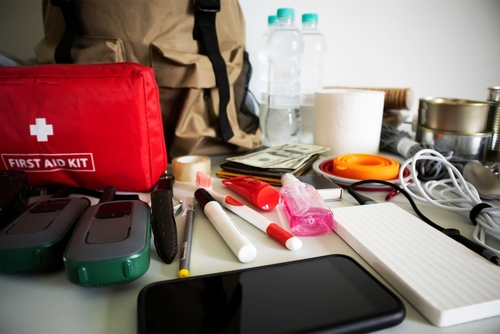
Assemble your hurricane emergency kit if you haven’t already prepared one. Essential items include:
- Water (one gallon per person per day for at least three days)
- Non-perishable food for at least three days
- Prescription medications and first aid supplies
- Battery-powered or hand-cranked radio
- Flashlights and extra batteries
- Important documents in waterproof containers
- Cash and credit cards
- Cell phone chargers and portable batteries
Monitor Official Information Sources
Stay connected to official news sources throughout the event. Avoid relying on social media for emergency information, as rumors and misinformation can spread rapidly during disasters. Stick to trusted sources like the National Weather Service, your local emergency management office, and established news outlets.
Seeking Legal Assistance for Hurricane Damage Claims
Unfortunately, hurricane damage claims don’t always proceed smoothly. Insurance companies sometimes deny valid claims, delay payments, or offer settlements that don’t fully cover the cost of repairs and replacement.
Common Insurance Company Issues
Many homeowners face challenges when dealing with insurance companies after hurricane damage. Common problems include:
- Claim denials based on policy exclusions or coverage disputes
- Delayed claim processing that leaves families waiting months for resolution
- Underpayment of claims that don’t cover actual repair costs
- Disputes over whether damage resulted from wind (typically covered) or flood (often not covered under standard policies)
If your insurance company denies your hurricane damage claim, offers an insufficient settlement, or delays processing your claim unreasonably, consulting with an experienced hurricane damage attorney can help protect your rights and maximize your recovery.
Your Next Steps for Hurricane Preparedness
Hurricane safety requires ongoing preparation, not just reactive measures when storms approach. Take time now to develop your emergency hurricane plan, sign up for multiple alert systems, and review your insurance coverage. Remember that hurricane alarms and warning systems only work if you know how to respond when they activate.
Understanding these warning systems and having a solid plan in place gives you the best chance of weathering any storm that comes your way. Don’t wait for the next hurricane forecast to start preparing—the time to act is now.
Is your insurance company attempting to deny, delay, or downplay your hurricane damage claim? Contact EC Law Counsel. Our legal team has over a decade of experience helping homeowners in Florida recover compensation after hurricanes and other extreme weather events.

Eunice Cabrera
Attorney Eunice Cabrera has a unique advantage when it comes to property damage claims. Because she has worked extensively on both ends as an adjuster and as a litigator, Eunice knows how to properly evaluate a claim and obtain a settlement. She understands the strategies that work to get her clients what they rightfully deserve.