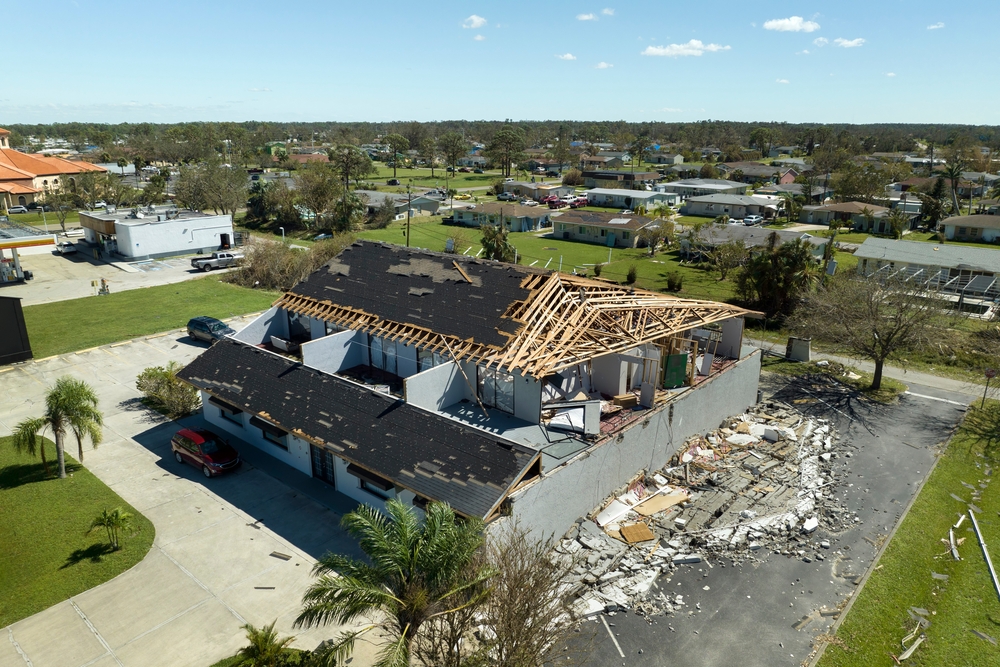

12 Essential Tips for Staying Safe in Hurricane Season
Hurricane season brings a unique set of challenges and dangers that demand respect and preparation. High winds, torrential rain, and devastating storm surges can quickly turn a normal day into a life-threatening situation. The sheer power of these storms means that preparation is not just a recommendation; it is an absolute necessity for protecting your family and your property.
Understanding how to navigate these severe weather events can make all the difference. Staying safe in hurricane season requires a proactive approach, clear communication, and a solid understanding of local emergency protocols. Waiting until the sky darkens and the wind howls is too late to start putting a plan together. You need actionable strategies ready to deploy at a moment’s notice.
At EC Law Counsel, we understand the profound impact these storms have on communities. While our legal team helps victims navigate the complex aftermath of hurricane-related insurance claims, our primary concern is your physical well-being. Knowing the right hurricane safety protocols will ensure you weather the storm safely, so you can focus on recovery and rebuilding when the skies finally clear.
How can you stay safe during hurricane season?
Staying safe during hurricane season involves preparing an emergency kit, following evacuation orders, securing your property, and monitoring official weather alerts.
Key Hurricane Safety Measures
When a storm approaches, prioritizing immediate physical safety is paramount. Follow these core strategies to protect yourself and your loved ones from the most severe threats.
1. Following Evacuation Orders
If local officials advise evacuation, you must leave immediately. Authorities issue these orders to protect residents from life-threatening storm surges and catastrophic flooding, which are often the most deadly aspects of a hurricane. Delaying your departure can trap you in rising waters, cutting off access to emergency services when you need them most.
Before a storm hits, establish a clear evacuation route and identify multiple safe destinations, such as a friend’s home or a designated public shelter. Pack your vehicle with necessary supplies early, and ensure you have a reliable way to communicate with family members who may be in different locations.
2. Shelter in an Interior Room
If you are not in an evacuation zone and plan to ride out the storm at home, staying indoors is crucial. High winds can turn everyday objects into lethal projectiles and easily shatter glass. To minimize risk, stay far away from windows and glass doors.
Choose a small, windowless interior room or hallway on the lowest level of your home. Bathrooms or interior closets are often the safest choices because their reinforced walls offer an extra layer of structural protection. Bring your emergency supplies into this safe space before the heavy winds begin.
3. Never Drive Through Floodwater
A common and highly dangerous mistake during severe weather is attempting to drive through flooded roads. Always remember the mantra: “Turn Around, Don’t Drown.” Just a small amount of fast-moving water — as little as six inches — can knock over an adult, and twelve inches can easily sweep away most vehicles.
Beyond the water itself, flooded roads hide numerous unseen hazards. The road surface beneath the water may be entirely washed out, or the water could be concealing sharp debris and live, downed power lines. If you encounter a flooded roadway, safely reverse your direction and find an alternate route.
4. Preparing for Power Outages
Hurricanes frequently cause widespread and prolonged power outages. Preparing for these disruptions will keep your family safe and comfortable while you wait for utility services to be restored. First, ensure all your mobile devices and backup battery banks are fully charged before the storm arrives.
When the power goes out, rely on flashlights and battery-powered lanterns instead of candles. Candles present a significant fire hazard, especially during a storm when emergency responders may not be able to reach you.
Additionally, preserve your perishable food by setting your refrigerator and freezer to their coldest settings before the outage, and keep the doors closed as much as possible to trap the cold air inside.
5. Securing Exterior Property
As hurricane winds escalate, unanchored outdoor items can become incredibly dangerous projectiles. These flying objects can smash through windows, severely damage the exterior of your home, or injure anyone caught outside.
Take time to secure your property by bringing patio furniture, garbage cans, potted plants, bicycles, and children’s toys inside. If an item is too large to bring indoors, anchor it securely to the ground. You should also safeguard your windows and doors by installing storm shutters or boarding them up with heavy-duty plywood to prevent wind and debris from breaching your home.
Additional Preparedness Tips
Comprehensive hurricane safety extends beyond the immediate physical threats of the storm. Building a robust emergency plan ensures you are ready for the days that follow.
6. Emergency Kit Essentials
Every household needs a fully stocked emergency kit. At a minimum, this kit should include one gallon of water per person per day for at least three days, alongside a supply of non-perishable food. Include a comprehensive first-aid kit, a manual can opener, extra batteries, and at least a two-week supply of any necessary prescription medications.
7. Communication Plan
During a disaster, cellular networks can easily become overwhelmed or damaged. Establish a family meeting point in case you are separated, and designate an out-of-state contact person. Often, long-distance calls are easier to connect than local ones during a regional crisis, allowing your out-of-state contact to relay messages between separated family members.
8. Important Documents
Gather your critical documents — such as identification, insurance policies, medical records, and property deeds — and store them in a secure, waterproof container. It is also wise to create digital backups of these documents and store them in a secure cloud service, ensuring you have access to them even if the physical copies are lost or destroyed.
9. Pet Safety
Your emergency plan must include your pets. Ensure you have adequate food, water, and medications for them in your emergency kit. If you need to evacuate, identify pet-friendly hotels or shelters in advance, and always keep your pets in sturdy carriers or on leashes during transport.
After the Storm: Recovery and Resources
The danger does not immediately pass once the wind stops blowing. The aftermath of a hurricane presents its own unique set of hazards that require careful navigation.
10. Safety During Post-Hurricane Conditions
When stepping outside after the storm, exercise extreme caution. Assume that any downed power lines are live and extremely dangerous; stay far away and report them to the authorities immediately. Avoid structurally damaged buildings and be highly vigilant for displaced wildlife. This can include snakes and insects, which often seek refuge in residential areas after flooding.
11. Introduction to EC Law Counsel Services
Once you and your family are safe, you will likely need to assess the damage to your property. Dealing with insurance companies in the wake of a disaster is notoriously stressful and complicated.
This is where EC Law Counsel steps in. Our experienced team represents victims of hurricane damage, ensuring insurance providers honor their policies and provide the compensation you deserve.
12. Importance of Documenting Damage
Before you begin any cleanup efforts, meticulously document all damage to your property. Take clear, well-lit photographs and videos of the exterior and interior of your home, including your damaged personal belongings.
This thorough documentation serves as critical evidence when filing your insurance claim and helps legal professionals at EC Law Counsel build a strong case on your behalf.
Your Next Steps for Recovery
Staying safe in hurricane season requires diligence, preparation, and respect for the unpredictable nature of these storms. By following evacuation orders, securing your property, and assembling a robust emergency kit, you significantly reduce the risks to your family and your home. Always stay informed by monitoring local weather channels and adhering strictly to the guidance of emergency management officials.
If you are a victim of hurricane damage in Florida and find yourself struggling to secure the insurance compensation you are entitled to, do not navigate the process alone. Contact EC Law Counsel today for legal assistance. Our dedicated team is ready to review your claim, advocate for your rights, and help you secure the funds you need to rebuild your life.

Eunice Cabrera
Attorney Eunice Cabrera has a unique advantage when it comes to property damage claims. Because she has worked extensively on both ends as an adjuster and as a litigator, Eunice knows how to properly evaluate a claim and obtain a settlement. She understands the strategies that work to get her clients what they rightfully deserve.