
The Truth About Recorded Insurance Statements
After an unexpected accident or property damage event, your phone will likely ring. On the other end is an insurance adjuster asking for a quick chat to get your version of events. They will usually ask if they can record the call. This is known as a recorded insurance statement. It might sound like a standard, harmless procedure to get your claim moving. However, this formal audio-recorded interview acts as an official record that can significantly impact the outcome of your case.
Insurance companies use these recorded statements to assess liability, evaluate damage, and determine fault. While they position this as a necessary step to process your payout, adjusters are also trained to identify inconsistencies. Their ultimate goal is often to minimize the amount of money the insurance company has to pay out on your claim.
Understanding the implications of a recorded insurance statement is crucial for anyone navigating a claim. The words you use, the details you remember, and even the things you forget can be heavily scrutinized. Knowing your rights and legal obligations before you press answer can be the difference between a fair settlement and a denied claim.
The Risks and Pitfalls of Giving a Recorded Statement
Providing a recorded statement carries significant risks that many claimants do not fully appreciate until it is too late. Insurance adjusters are skilled professionals who know exactly what questions to ask to protect their company’s bottom line.
How Recorded Statements Can Be Used Against You
Adjusters look for discrepancies between your initial statement and any subsequent information you provide. A simple misstatement or a poorly phrased answer can be twisted to suggest you are at fault. They might use leading questions designed to confuse you or make you admit partial liability without realizing it.
The Pressure of Timing
Insurance adjusters frequently request these statements immediately after an incident occurs. During this time, you might be shaken, dealing with sudden property loss, or unaware of the full extent of the damage. You are not in the best state of mind to provide a legally binding account of events. Adjusters know this and use the urgency to their advantage.
“Locking in” Your Story
When you give a recorded statement, you are effectively “locking in” your narrative. If you later discover additional property damage, new injuries, or recall different facts once the shock wears off, the insurance company will point back to your initial recording. They will use your changing story to invalidate your claim and question your credibility.
Your Legal Obligations and Rights
You might feel obligated to answer every question an insurance company asks. The reality is much more nuanced, and your obligations depend entirely on who is asking the questions.
Duty to Cooperate with Your Own Insurer
When you sign an insurance policy, it typically includes a “duty to cooperate” clause. This means you generally have a legal obligation to provide a statement to your own insurance company. Failing to cooperate with your own insurer can result in a denial of your claim.
Refusing the Other Party’s Insurer
You are generally not legally required to provide a recorded statement to a third-party insurance company. If the other party’s insurer calls you, you have the right to decline their request politely. Their primary goal is to find reasons to deny your claim, and speaking with them directly only provides them with ammunition.
The Importance of Legal Counsel
Because the rules vary by situation, consulting with a legal professional before providing any statement is the smartest move you can make. An attorney can guide you on what to say, what to withhold, and can even speak to the insurance companies on your behalf.
Best Practices When Faced with a Request
If an insurance adjuster contacts you, keep these best practices in mind to protect your rights.
Politely Declining When Appropriate
If the at-fault party’s insurance company asks for a recording, simply say no. You can inform them that you are seeking legal representation and that your attorney will be in touch.
Consulting with an Attorney
Never navigate the claims process alone. A qualified attorney understands the tactics insurance companies use and will ensure your rights are protected throughout the entire process.
Preparing Thoroughly
If you must give a statement to your own insurance company, do not do it unprepared. Review your facts, have a clear recollection of details like specific times and exact events, and stick strictly to the facts without guessing or speculating.
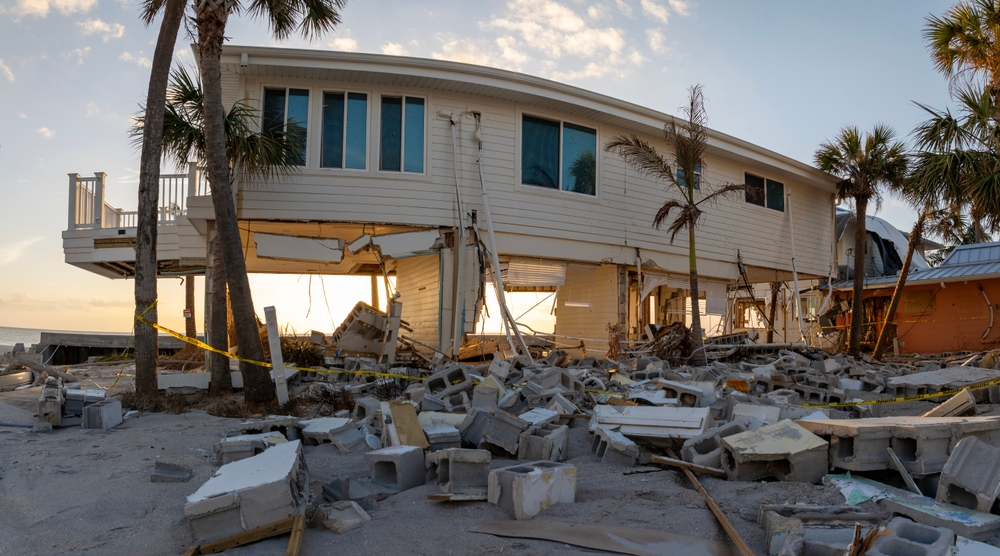
Florida Property Damage Claims
Dealing with property damage in Florida can be incredibly stressful, and the insurance companies will not make it any easier for you. If you are trying to get fair compensation from your property damage insurance, do not risk your claim by giving an unprepared recorded statement. Contact EC Law Counsel for immediate help. Let our experienced legal team handle the insurance adjusters for you.

Eunice Cabrera
Attorney Eunice Cabrera has a unique advantage when it comes to property damage claims. Because she has worked extensively on both ends as an adjuster and as a litigator, Eunice knows how to properly evaluate a claim and obtain a settlement. She understands the strategies that work to get her clients what they rightfully deserve.